Guided Reading: How to Create Success + Freebies!
Guided Reading can seem like SUCH a challenge. Where do I start? What do I do? Who goes where? What is everyone else doing while I’m working with a small group? The questions are ENDLESS, BUT we have the answers! I’ve created a step-by-step guide to help you make your groups run smoothly and flawlessly.
STEP ONE: Assess your students
I suggest assessing your students on some (gradually all) of the following literacy skills:
- phonemic awareness
- phonics
- sight words
- fluency
- comprehension
Not all students need all of the testing listed above. No one has that much time and your students would be overwhelmed. We don’t want that.
Where to Start?
So instead, teachers of young readers must establish a testing starting point. Many schools use a screening assessment like DIBELS at the beginning of the year to establish a baseline for future testing and instruction. If DIBELS assessments are not available, your reading specialist in your building or district may have testing materials to screen your students.
Then What?
Once students are screened, students who need supplemental intervention are identified. Then diagnostic testing can be done for those students. Usually, your guided reading assessments include phonemic awareness, phonics, and fluency testing, but can also include sight word testing and comprehension.
Need more information on this step? Check out another blog post all about assessing for guided reading groups here.
Recommended products
-
Guided Reading Lesson Plan Template and Resources K-2 Fillable Forms
Original price was: $30.00.$10.95Current price is: $10.95. -

Phonics Assessments (Kindergarten, 1st and 2nd grade) Science of Reading Aligned
$3.75
STEP TWO: Make a Plan & Organize Your Groups!
I’m not proud of it, but when I first started teaching, I was not intentional with my planning. I didn’t refer to scores to determine groups. I didn’t target specific skills to focus on as I should have. And I didn’t regroup students as I should have throughout the year.
Don’t get me wrong. I was an effective guided reading teacher. But I could have been much more effective if I had intentionally planned. Check out more details and steps in our Step 2 To Guided Reading blog by clicking the button below!
When we group and regroup students regularly based on data, we are grouping flexibly. As our students’ goals change, our instruction to target those goals changes.
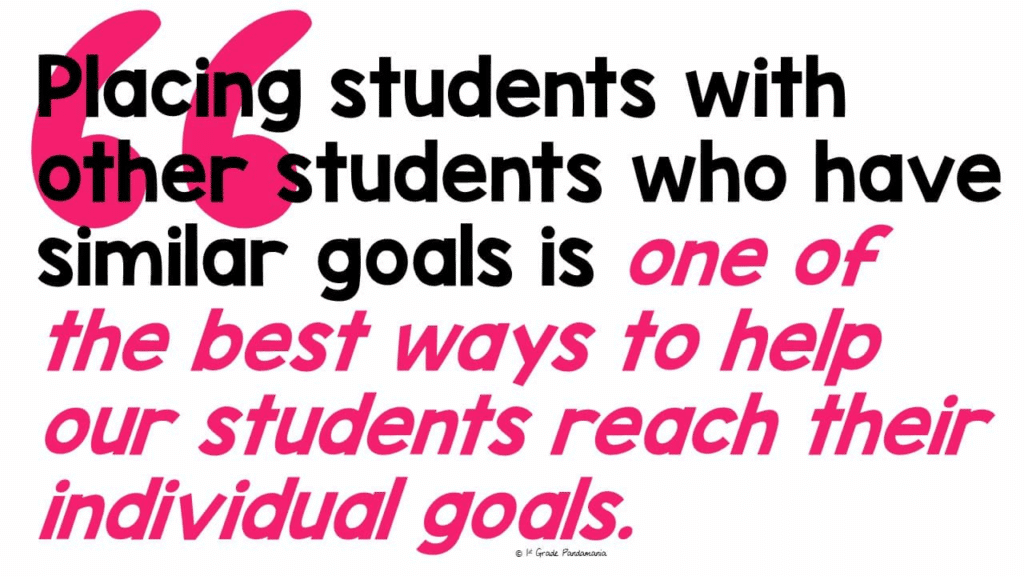
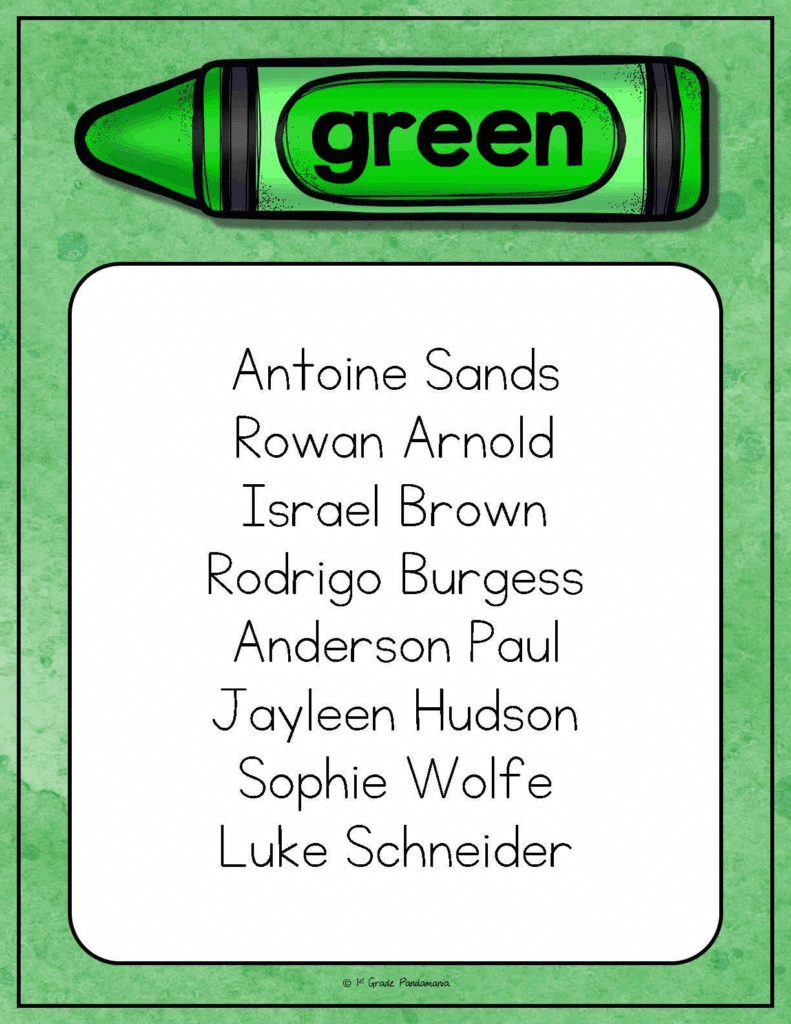
Once you have them in appropriate learning groups, we get busy organizing our materials.
Need a little more help on how to plan those groups?
Here are some materials that you can easily create every time you re-group students! Just enter your student names and voila! All forms and labels fill!


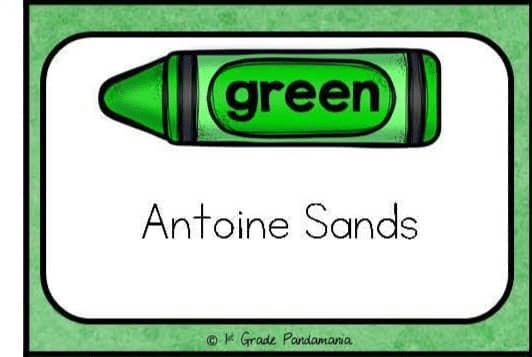
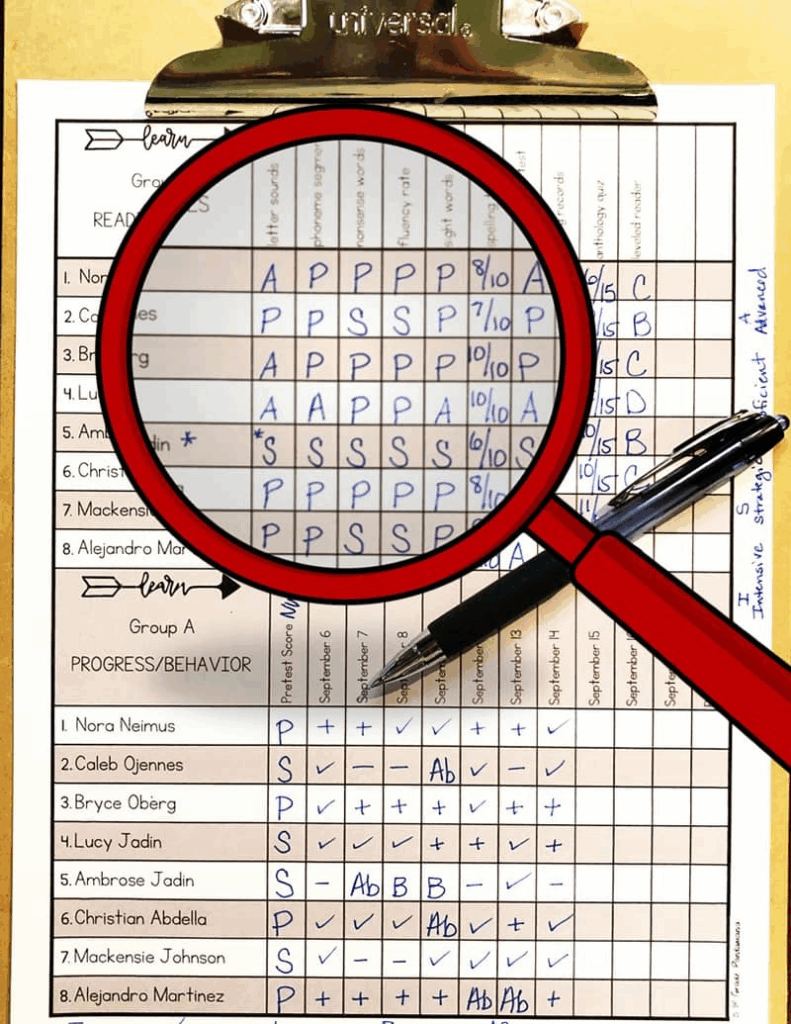
Also included are Data Sheets to use for attendance, grades, behavior, etc. Student names will auto fill 🙂
STEP THREE: Bring them to your table & TEACH!
Prep for Instruction:
You might consider getting instruction materials for the planning part of guided reading, but I added it here since it is KEY to running guided reading groups smoothly. Need more information about preparing guided reading lessons? Read more here!
Once you have your plans in place, you are ready to gather materials for instruction.
We have found that using fluency speed drills for 2 minutes each day at the guided reading table is a simple, yet super-effective way to practice automaticity with the following phonics and sight word skills:
- heart words
- sight words
- CVC words
- nonsense words
- syllables
- blends
- digraphs
- word families
- prefixes/suffixes
- letters
- vowels

Tip: Insert fluency drills into plastic sleeves and store in a binder. Each week, pull out the drills you need for your guided reading groups and have them ready for when each student arrives at the table.
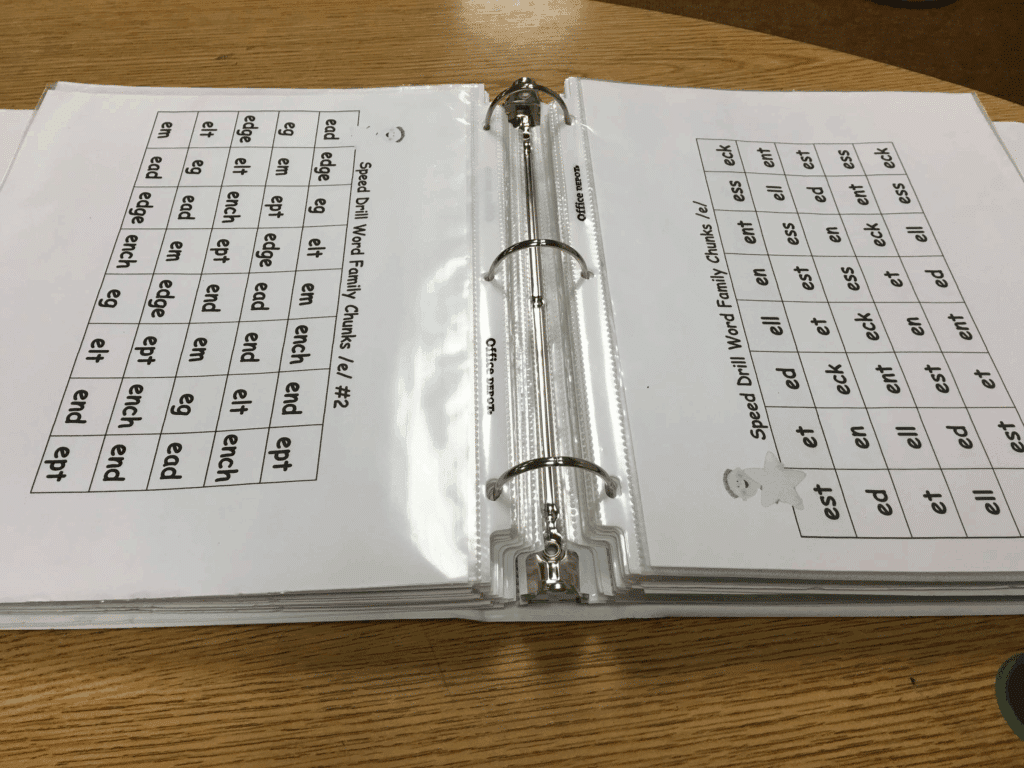
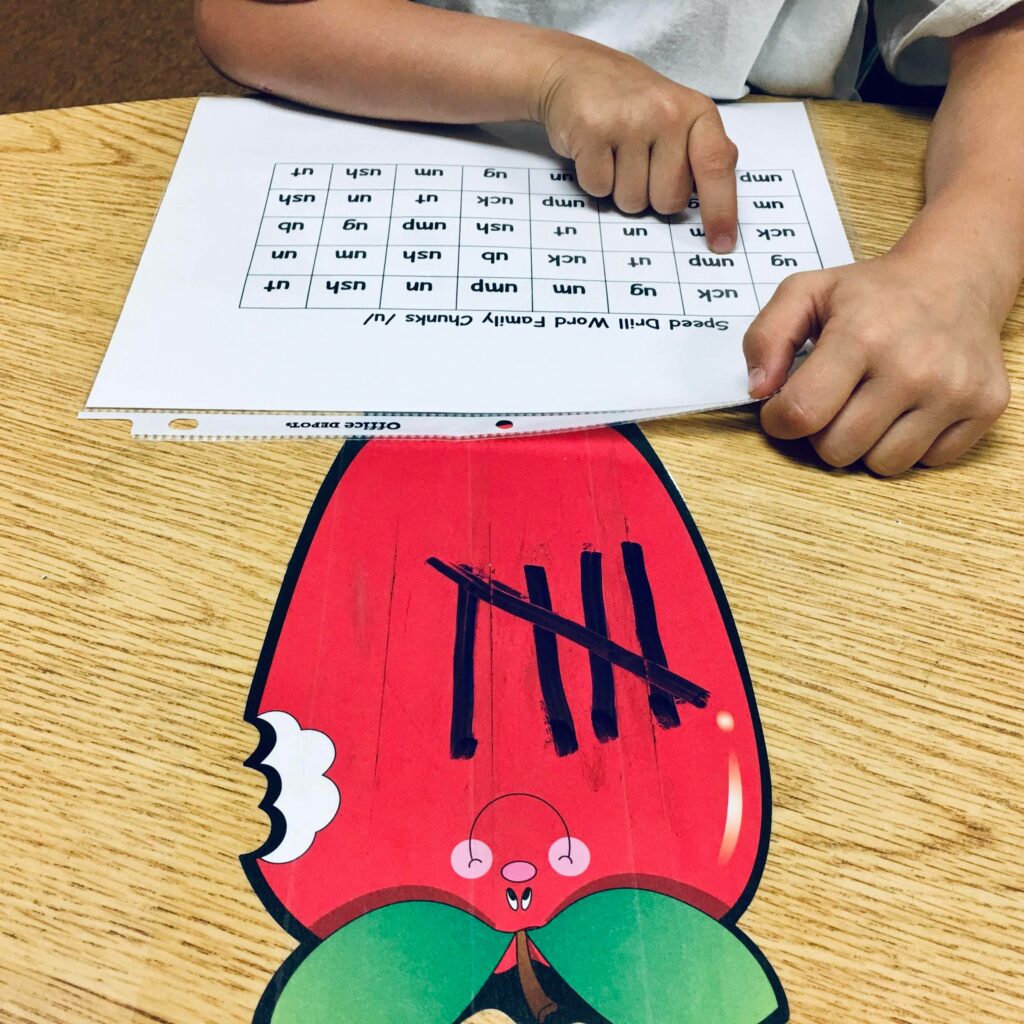
We have found that students actually hurry to the table, sit down and start practicing their fluency.
Why? Because they love fluency drills! (Plus it helps to give them points when they are getting to the table on time and working hard! 5 pts at the end of guided reading = a clip move up!)
We know it seems strange that they would enjoy drills, but students love it when they are successful at a skill. Fluency drills help them become more fluent and automatic with sounds and words.
Read a quick blog post about drills HERE.
Want to try a FREE sample? Grab one here!
You love the idea already? Check out ALL our Fluency Speed Drills:
STEP FOUR: Curriculum
If you have a guided reading curriculum that your district requires you to use, this is where that comes in! Follow your script and supplement where you need.
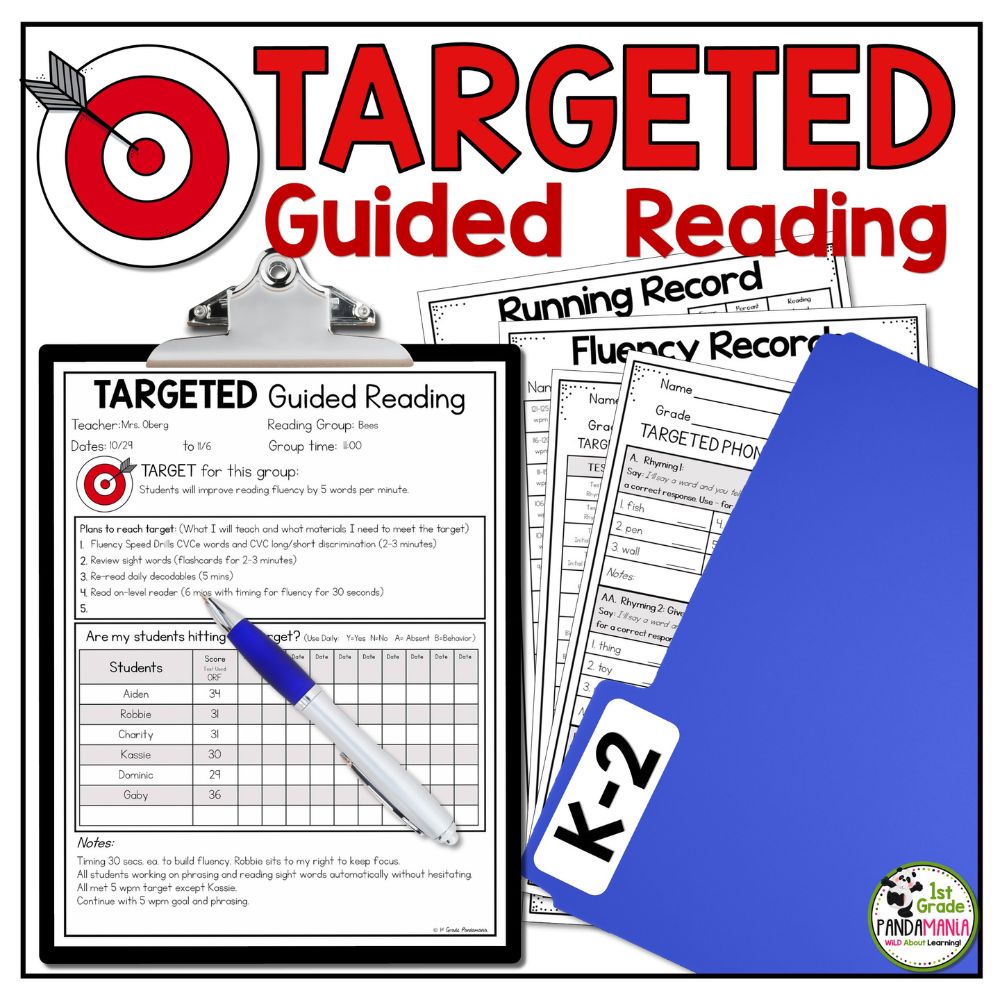
If you don’t have a curriculum, you’re in luck! I have just the thing for you. Here’s a snapshot of a Targeted Guided Reading Plan for a group needing remediation with phonemic awareness, blending, and sight word skills. Notice that the materials needed are listed in parentheses. You will thank yourself later when you include those in your plans.
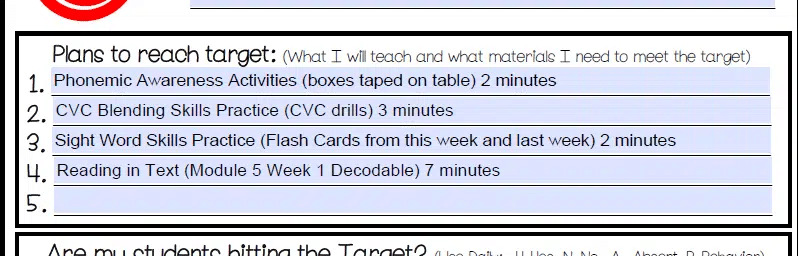
All you need to do is grab those materials and put them in a bin along with your plans for that group. Then it’s just grab and go when it’s time to instruct!
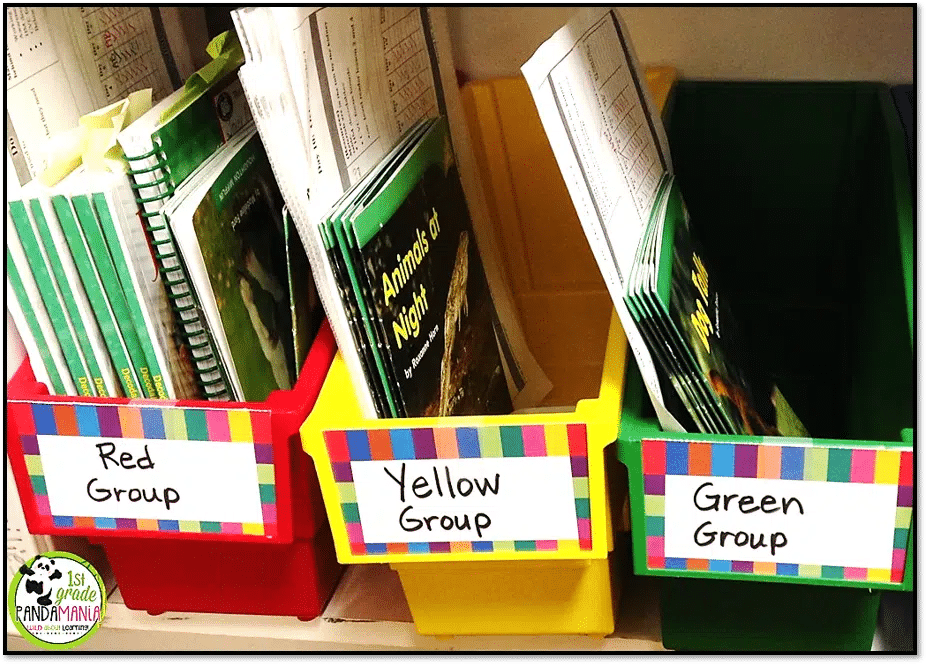
I like to keep it real. I was organized and tidy most of the time, but I didn’t do flashy. There’s nothing wrong with flashy, but you have to do what works for you and your students and stay focused on being intentional with your setup. These were on the bottom of a bookshelf within reach of my guided reading chair. I literally grabbed the bin as I called the group to the table.
BAM! I was ready with my plans and materials.
Now, if you don’t have a structured curriculum, I urge you to check out our Targeted Phonics Guided Reading Plan and Resources Bundle. This Targeted Guided Reading Plan will help keep you focused on the goal(s) for each group. If you instruct your guided reading groups with fidelity, using the plan you create, your students will soar in reading!
STEP FIVE: Everyone Else!
So you have anywhere up to 6 kids at your table, what about the other students?
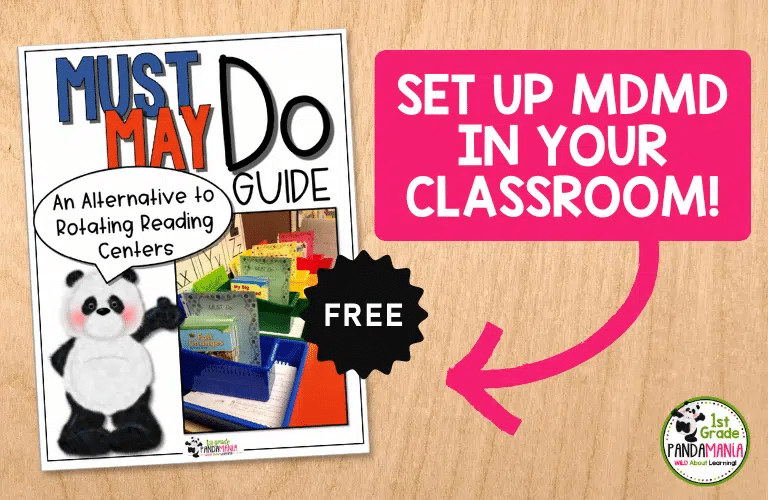
This Must Do May Do System is the HACK to your rotating reading centers!
Having smooth-running groups with targeted reading activities for 1st graders AND effective independent work time has never been more exciting. A MUST Do MAY Do System has been by far the best alternative to rotating reading centers. As we know, guided reading groups are hard enough to manage without the constant activity that is created by students moving to and from reading centers.
What we disliked the most about our rotating reading centers, was the loss of instruction time when students were stopping what they were doing, watching the “wheel” turn to the next activity, and then cleaning up one area to rotate to the next. Sometimes it would take 3-5 minutes to move to the next center or to get to the guided reading table.
A MUST Do, MAY Do Approach.
With this approach, students stay at their tables (I seat them with their reading groups) for most of the time except for partner reading when they sit on the floor or carpet side-by-side to read. When called to the guided reading table, all they do is stop working and get to the table. No commotion, no wheel turning, no stopping everyone from what they were doing, etc.
In other words, a lot more time for guided reading instruction at the table!
They have a list of what they MUST Do and when they are finished with that, they have a list for what they MAY Do. The list can be edited to fit your students’ needs in each group.
Grab a FREE set of B&W and Color editable Must Do May Do templates down below!
Easily fill in your own lists to suit each group’s needs like below. Notice the list is non-specific for what vocabulary words or what anthology story to read. This is so I don’t have to make a new list each day or week! The vocabulary words are either posted on the board or on the next page in their vocabulary notebook. And they know which story to read.
Easy Peasy!
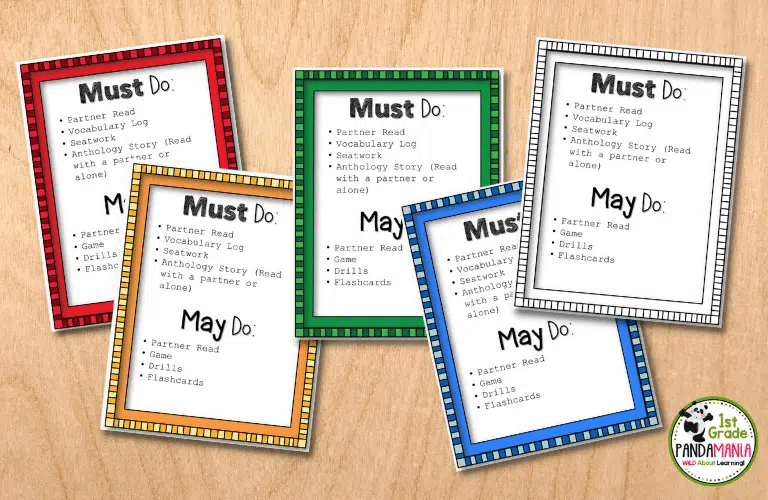
Grab a set of these FREE MUST do MAY Do list templates below:

With my must do may do list completed, I now keep these lists looking pretty much the same every week. I just change out the materials in their bins weekly.
Here are some reading activities for 1st graders I use for each activity on the list:
- Vocabulary Log example – Read more about these here
- Seatwork examples
- Games examples
- Drills examples – Read more about these here
Check out THIS BLOG POST to learn more about how to set up your Must Do/May Do bins, ideas to put inside, and the WHY behind my switch.
STEP SIX: Rinse and Repeat 🙂
That’s it, folks! If you do this every single day and make it routine, your students will THRIVE!
Be sure to follow us on social media for new products and updates!


Thanks for stopping by! Check out some other guided reading products and tips below!